The Rise of Quiet Maximalism in Textile Design
Soft, layered, and full of intention—quiet maximalism is quietly making its way into the spotlight.
If you’ve been keeping an eye on fashion and interiors lately, this might be a trend you’ve seen around. A more fluid, expressive, and thoughtful aesthetic. Think painterly florals, gentle pattern-on-pattern layering, and rich detail… but without the noise.
This shift is being called quiet maximalism, and it’s one of the most compelling design directions for Spring/Summer 2026.
What is Quiet Maximalism?
At its core, quiet maximalism is about balance. It borrows the richness and depth of maximalist design—but filters it through a more curated, calm lens. It’s less about “more for the sake of more,” and more about depth, emotion, and subtle storytelling.
In textiles, that might look like:
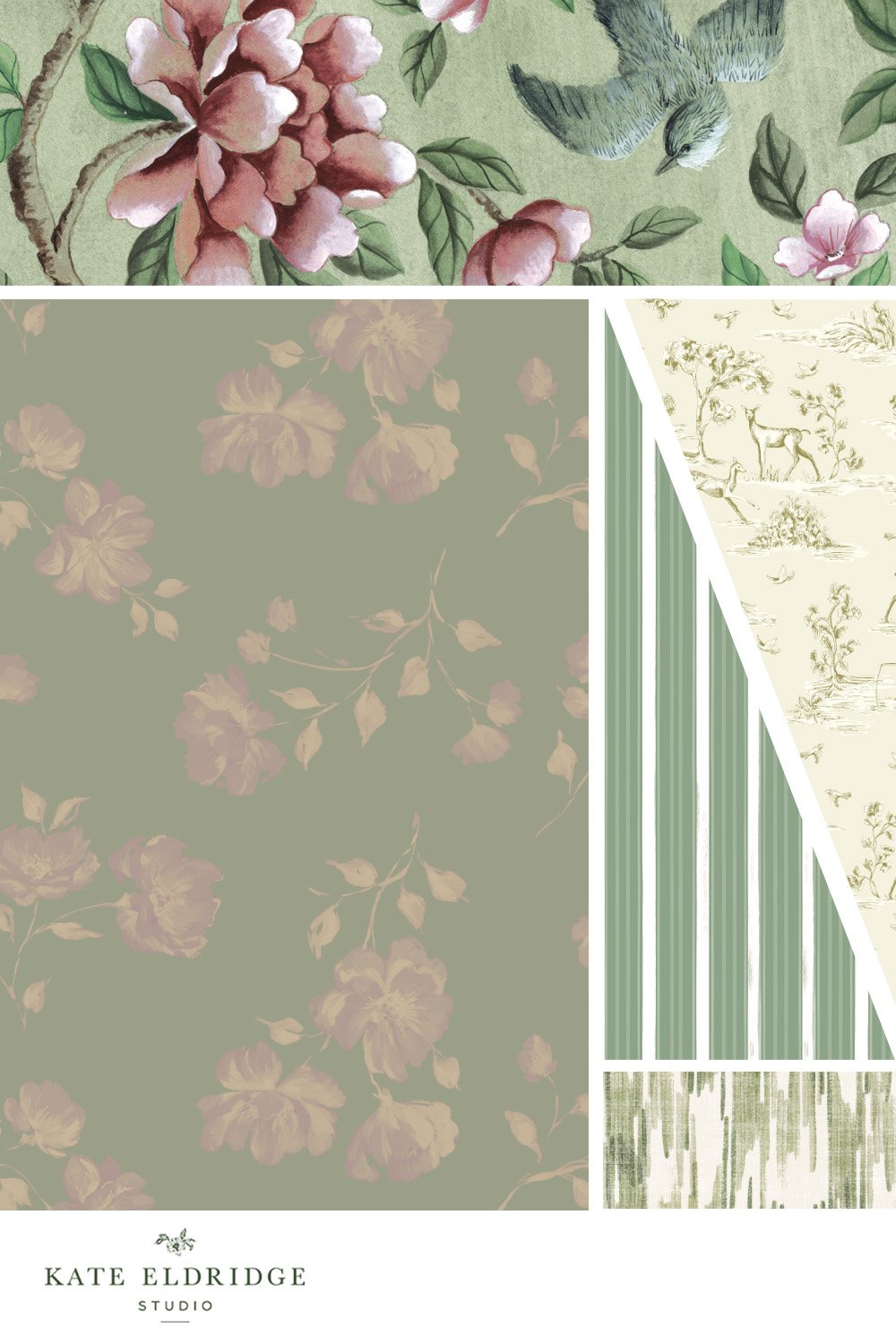
Hand-painted florals layered with tonal textures
Delicate chinoiserie alongside organic brushstrokes
Soft color stories applied across detailed motifs
It’s expressive, but never overwhelming. Decorative, but not chaotic.
Quiet Maximalism
It’s expressive, but never overwhelming. Decorative, but not chaotic.
Why It’s Gaining Traction for S/S26
We’re seeing a collective craving for more personality in design—but also more calm. In interiors, this shows up in richly styled rooms that still feel like a sanctuary. In fashion, it’s intricate prints on relaxed silhouettes—nothing overly loud, but still deeply creative.
Buyers and customers alike want designs that feel intentional and beautifully made. This trend speaks to that desire: it brings emotion and meaning without demanding attention.
Designing with Quiet Maximalism in Mind
Here are a few ways to interpret this trend if you’re building a print story or collection:
✅ Layer with Intention
Combine different motifs or print types—florals, linework, even small geometrics—but keep the palette tight or tonal to maintain harmony.
✅ Choose Detail Over Drama
Rather than relying on bold contrast, lean into detailed artwork: painterly brushstrokes, hand-drawn elements, or nuanced repeats.
✅ Focus on Flow
This trend works beautifully when prints feel like they belong together—even if they’re different. Think of your print story as a quiet conversation rather than a shout.
✅ Incorporate Nature-Inspired Elements
Natural references—foliage, florals, shells, stone textures—anchor this trend in something organic and timeless.
Final Thoughts
Quiet maximalism is a mood, a mindset, and a design approach all rolled into one. It’s a reminder that beautiful design doesn’t always need to shout to be heard.
If you’re working on your next collection and want to explore prints that feel expressive yet calm, bold but still refined—I’d love to help you bring it to life.
👉 Get in touch here to discuss how we can collaborate.